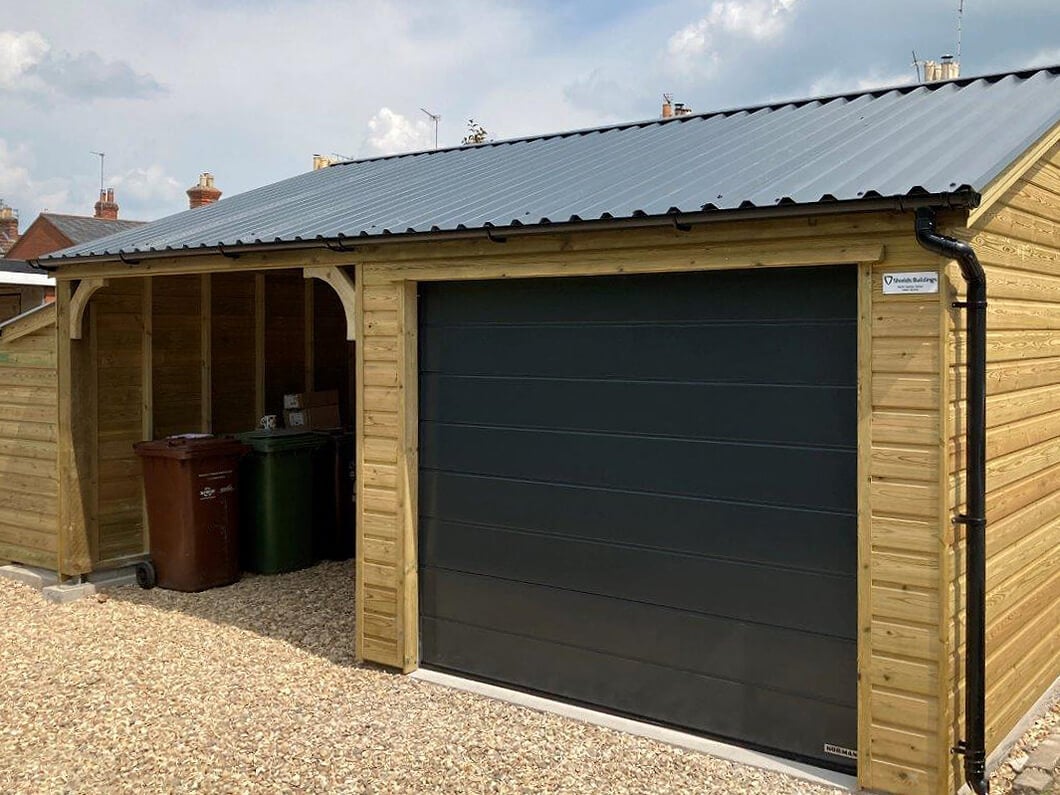
Often overlooked, the garage is one of the most underused areas in a home, yet it offers huge potential. With the right planning, it can be transformed into a stylish car space, a fully functional workshop, a home gym, an office, or even a living area. A well-thought-out garage refurbishment not only improves usability but can also increase your property’s value. Here’s what you need to know before starting.
1. Clarify the Purpose of Your Garage
The first step is to decide what you want your garage to become:
- Traditional storage or parking: Keep it practical with sturdy flooring, shelving, and hooks.
- Workshop: Ensure sufficient lighting, ventilation, workbenches, and tool storage.
- Home gym: Focus on flooring, insulation, mirrors, and air circulation.
- Office or creative studio: Plan for heating, insulation, electrical outlets, and perhaps additional windows.
- Living space conversion: This may require planning permission and full upgrades, including insulation, plumbing, and electrics.
Knowing the intended use will guide all other decisions, from materials to layout.
2. Evaluate the Current Condition
Before starting, assess the garage’s structure:
- Dampness or leaks: Address water ingress before any interior work.
- Wall and floor cracks: These could indicate structural problems needing repair.
- Roof condition: Check for missing tiles, damage, or poor insulation.
- Garage door: Updating or replacing an old door enhances security and aesthetics.
A detailed inspection will help avoid surprises later and ensure the space is safe and durable.
3. Planning Permission and Regulations
Minor refurbishments may not need planning permission, but conversions often do:
- Changing a garage into a habitable room may require approval, especially in listed buildings or conservation areas.
- Any structural modifications, new electrics, plumbing, or insulation upgrades must meet building regulations.
Consult your local council or a professional builder to ensure compliance.
4. Insulation and Climate Control
Garages are typically poorly insulated, making them cold in winter and hot in summer. If you intend to spend time in your garage, consider:
- Insulating walls, ceilings, and floors.
- Installing double-glazed windows and insulated doors.
- Adding heating solutions, such as electric radiators, underfloor heating, or portable heaters.
Good temperature control is crucial for offices, gyms, or studios.
5. Choosing the Right Flooring
Concrete floors are common but may not suit all purposes. Options include:
- Epoxy or polyurethane coatings: Durable, easy to clean, and resistant to oil.
- Rubber interlocking tiles: Ideal for gyms or workshops.
- Vinyl or laminate: Suitable for converted living areas.
- Tiled flooring: Stylish and resilient, perfect for multi-purpose garages.
Select flooring that aligns with your garage’s intended use and anticipated wear.
6. Electrical Upgrades and Lighting
Adequate electrics are vital:
- Add extra sockets for power tools, office equipment, or gym devices.
- Install bright, energy-efficient LED lighting.
- Update wiring and circuits if your garage is older.
For extensive electrical work, hiring a qualified electrician is essential.
7. Storage Solutions
Maximising space keeps the garage functional and tidy:
- Wall-mounted shelves and cabinets.
- Pegboards and hooks for tools, sports equipment, or gym gear.
- Overhead racks for seasonal items.
- Workbench units for projects or hobbies.
Smart storage ensures the space remains versatile and clutter-free.
8. Enhancing Security
Garages are often a vulnerable entry point:
- Upgrade doors with secure, insulated models.
- Install external motion-sensor lights and security cameras.
- Reinforce doors and windows with quality locks and security film.
- Consider integrating an alarm system with your home setup.
Security should be part of any refurbishment plan.
9. Ventilation and Air Quality
Good airflow is key, especially if the garage will be used as a workspace or living area:
- Add extractor fans or trickle vents.
- Use dehumidifiers to manage moisture.
- Incorporate windows or roof vents for natural ventilation.
Proper ventilation is also essential if storing chemicals, fuels, or paints.
10. Budget and Timeline
Costs vary depending on the scope:
- Simple clean-up and repaint: £500–£1,000
- Insulation and electrical work: £1,000–£4,000
- Full conversion: £7,000–£20,000+
Set a realistic budget with a contingency fund and plan a timeline. Some tasks require professional help, which can affect schedules.
Final Thoughts
Refurbishing your garage is a smart way to reclaim underused space, tailor it to your needs, and enhance your property. Whether your goal is practicality, comfort, or added value, careful planning ensures your garage is both functional and attractive. From insulation and electrics to flooring and storage, every detail contributes to transforming a simple garage into a space that truly works for you.